A thriving pond doesn’t happen by accident — it starts with a strong food chain. The secret to healthy, balanced water and fast-growing sportfish lies in building the pond’s food chain from the bottom up.
At Shongaloo Fish Farm, we believe every great pond begins with the right combination of forage species, mid-level fish, and top predators. Each group, or layer, plays an essential role: the small fish turn microscopic plants and animals into food for bigger fish, the grazers keep algae in check, and the predators maintain balance. When done right, you end up with a self-sustaining ecosystem — and fantastic fishing.
The Foundation: Forage Fish
Before adding any sportfish, start by stocking your forage fish — the unsung heroes that make everything else possible. These smaller species keep your pond healthy, convert algae and insects into valuable protein, and provide the steady food supply that your gamefish depend on.
Grass Shrimp
Grass Shrimp are one of the most valuable yet overlooked forage species. These tiny crustaceans scavenge the pond bottom, eating decaying plant matter, midge larvae, and algae. They’re the cleanup crew that keeps your pond floor healthy and are a favorite food source for Bluegill, Shellcracker, and Bass. A healthy shrimp population means cleaner water and faster fish growth.
Mosquitofish
These tough little fish are nature’s pest control. They thrive in shallow, weedy areas and feed on mosquito larvae, helping reduce annoying insects while providing bite-sized forage for larger fish. Hardy and fast-reproducing, every Florida pond should include Mosquitofish.
Fathead Minnows
Fathead Minnows are essential for a strong forage base. They spawn multiple times each year and are slow swimmers, making them an easy target for predators. Their steady reproduction ensures young Bass and Bream always have plenty to eat, especially in new or recently restocked ponds.
Golden Shiners
Sleek and fast, Golden Shiners school in open water and reproduce readily, making them ideal prey for Largemouth Bass. Their movement encourages natural hunting behavior, keeping predators active and healthy.
Sailfin Mollies
Native to Florida waters, Sailfin Mollies are algae grazers thriving in shallow, sunny areas. They eat mosquito larvae, detritus, and soft algae while adding color and activity to your pond edges. As livebearers, their young provide a continuous source of forage year-round.
Together, these forage fish form the backbone of a balanced pond, cleaning, feeding, and stabilizing your ecosystem to ensure your sportfish have the food they need to grow and thrive.
The Middle Tier: Growers and Balancers
Once your forage base is strong, it’s time to introduce mid-level fish. These species feed on insects, crustaceans, and smaller fish — then become prey for Bass and other top predators. A diverse mid-level population ensures your pond uses all available food sources efficiently.
Bluegill
Bluegill are the workhorses of any sportfish pond. They feed on insects, small shrimp, and algae, converting a wide range of food sources into energy for your predators. By targeting both mid-water and surface prey, Bluegill diversify the pond’s food chain and produce abundant fry, keeping Bass well-fed year-round.
Shellcracker (Redear Sunfish)
Shellcrackers focus on bottom-dwelling prey like snails and small mollusks — a food source few other fish consume. This helps control parasites, improving the health of the entire fish population. By consuming unique food types, Shellcrackers add an extra layer of diversity to your pond ecosystem, while their strong fight and bright color make them a favorite for anglers.
Warmouth
Warmouth are versatile feeders that thrive in heavily vegetated areas. They consume insects, small fish, and crayfish, feeding in habitats that Bluegill and Shellcracker typically ignore. By utilizing different prey and areas of the pond, Warmouth fill ecological gaps and help ensure no part of your pond’s ecosystem goes unused.
Tilapia
Tilapia are highly productive and efficient feeders. They graze on algae and organic material, keeping the pond clean, while their staggered breeding seasons complement Bluegill reproduction. Tilapia spawn in warmer months, while Bluegill spawn in cooler periods, ensuring a continuous supply of forage for Bass and other predators throughout the year.
Crappie
Crappie round out the mid-level layer with their schooling behavior and balanced feeding habits. They eat insects, small forage fish, and crustaceans, regulating mid-tier populations and adding angling variety. Managed correctly, Crappie diversify your pond ecosystem while providing excellent sportfishing opportunities.
The Top Predators: Power and Balance at the Peak
With a strong foundation of forage and mid-level fish in place, your pond is ready for its final touch — the top predators that bring everything together. These fish sit at the top of the food chain, controlling populations below them and maintaining balance, while making your pond fun to fish.
Largemouth Bass
Largemouth Bass are the ultimate predator in Florida ponds. They feed on Golden Shiners, Bluegill, Grass Shrimp, and young Tilapia, keeping smaller fish populations in check. With abundant forage, Bass grow quickly and reach impressive sizes, giving anglers the thrill of trophy fishing.
Channel Catfish
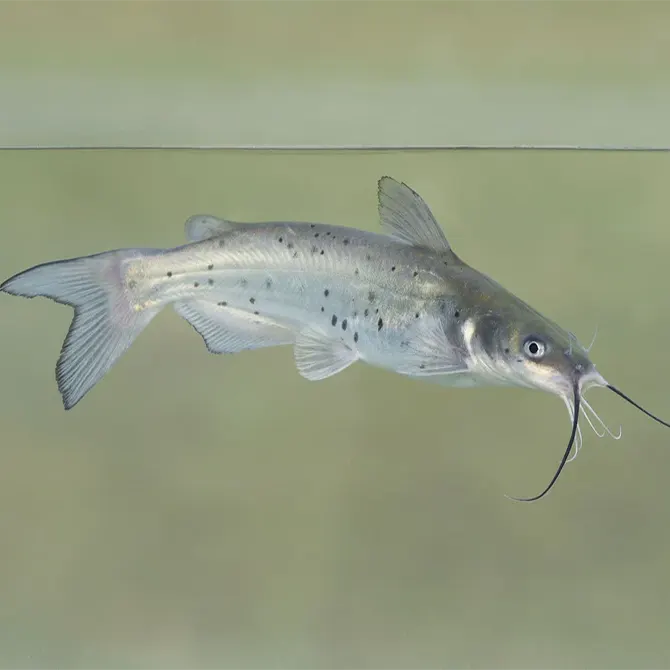
Channel Catfish are fast-growing, hardy, and delicious. They feed on insects, small fish, and organic material along the pond bottom, helping maintain ecosystem balance. Because they occupy a different feeding zone than Bass, they complement each other perfectly, adding both balance and year-round angling variety.
Together, Bass and Catfish complete your pond’s food web, creating a self-sustaining system full of life, action, and unforgettable catches.
Building a Balanced Pond
Every fish you add has a purpose. From Grass Shrimp cleaning the bottom to Fathead Minnows feeding young Bass, each layer of the food chain supports the next. A balanced pond is one where forage, mid-tier, and predator fish work together in harmony — resulting in clear water, healthy fish, and incredible fishing year-round.
Take the guesswork out of pond stocking! Our Onsite Pond Assessment lets Shongaloo Fish Farm experts evaluate your pond in person, recommend the perfect fish mix, and help you build a healthy, balanced ecosystem that thrives all year long.